
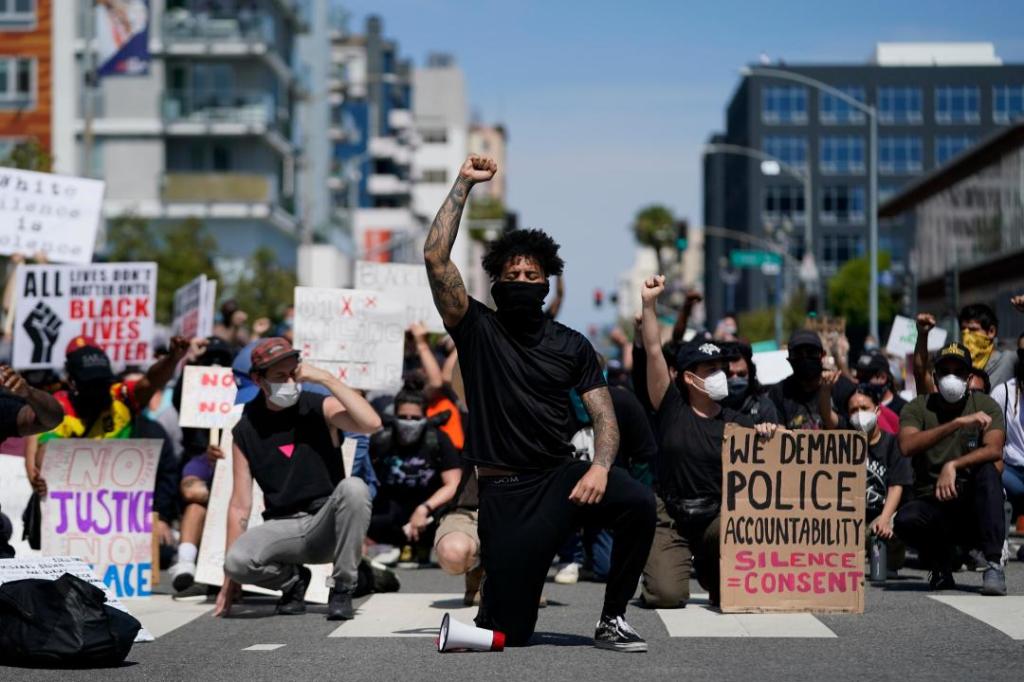
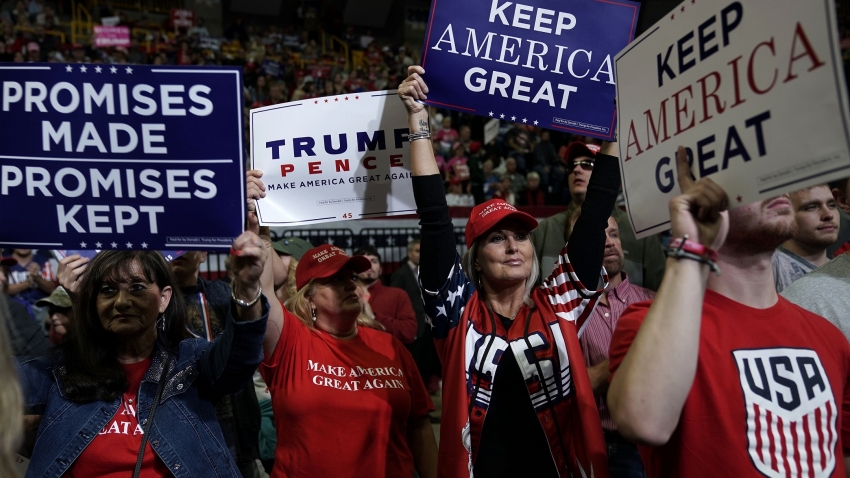

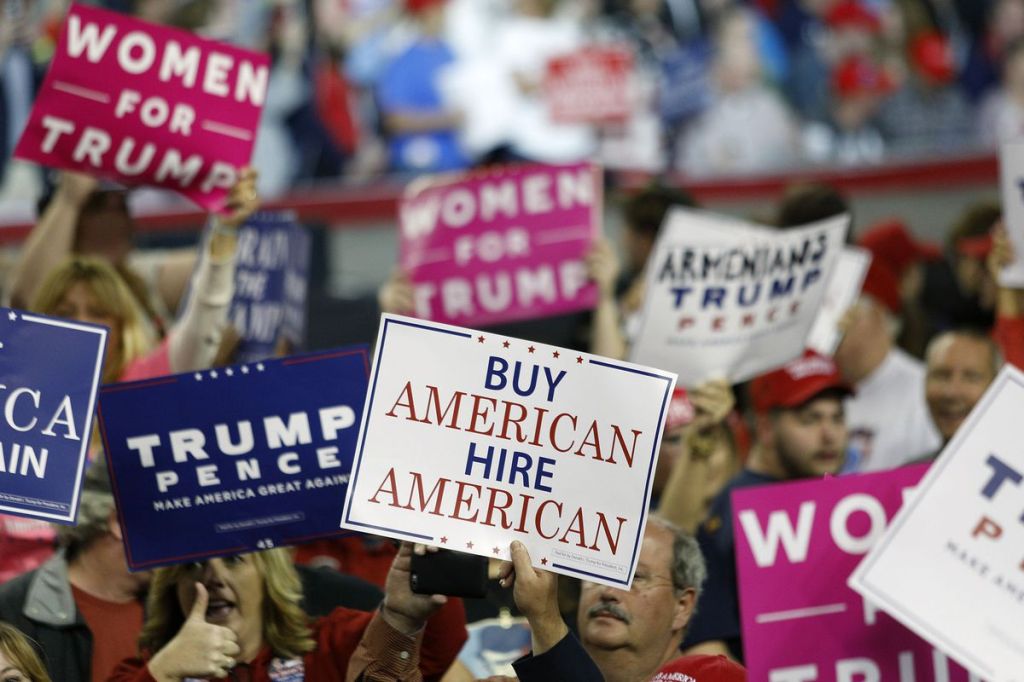
This semester, we have been reading some classic works of sustainable development, and examined different models of self, techniques of rhetorical persuasion, and images of just and sustainable political collectivities. During the past decade, we have witnessed the formation of two global political movements, each with an emerging theory of its own. I’m referring to 1) the Global Populist Movement (i.e. a diverse assemblage of right-wing “new populism,” “nationalist populism” and anti-establishment movements embodied by the Brexit Referendum and the rise of leaders such as Orbán, Erdoğan, Kaczyński, Trump, Modi, Bolsonaro, Meloni and of left-wing “inclusionary populism” movements such as Bernie Sanders’ Revolution, the Greek Syriza and Spanish Podemos on the left) and to 2) The Movement for Black Lives (M4BL) (i.e. an abolitionist and anti-capitalist collective of over 50 groups and organizations led by and rooted in Black communities).
Your take home exam asks you to pick one specific example (e.g., Trump’s MAGA or Bernie’s Revolution or M4BL) of these movements and then consider how Gandhi and Fanon might respond to it. What would Gandhi like/dislike about this movement? What would Fanon admire/disapprove of? And how would each thinker advise this group, in order to enhance its chances of becoming or contributing to a good, just and sustainable polity? (Here you need to say what counts as good for Gandhi and Fanon.)
In your conclusion, turn to either Thoreau or Sankara to sharpen or refine Gandhi’s and Fanon’s reports. In what ways can Thoreau or Sankara amend, augment, or strengthen the advice offered by Gandhi and Fanon?
The following questions may help you to craft your Gandhian and Fanonian analyses of either the Global Populist Movement or the Movement for Black Lives. You don’t need to engage all of these questions.
How does each movement understand the meaning of self-rule or self-government (i.e. what it means for human beings to rule over one another and share in the art of government)?
How ought the new collectivity be organized internally? What, for example, should be the locus of “sovereignty,” i.e., the source of the power to make legitimate and binding decisions?
Is the process of building a new collectivity understood as an “anti-establishment” response? If yes, how is “establishment” defined? What economic and political orientations and policies is the establishment associated with?
Does the process of building a new collectivity call for structural changes of the global economy? Can the movement be understood as a response to the crisis of neoliberal capitalism and/or to unequal urban/rural power dynamics? Is the movement driven by concerns about the “left behind” and “losers of globalization?”
Are the people in the group best considered as homogeneous or plural? What about the people outside the group and those opposed to the group?
Do race, ethnicity, religion and/or cultural identity shape views of who counts (i.e. who should be included and excluded) as a member of the collectivity?
What kind of public speech and rhetorical techniques should the group use?
What role, if any, ought the appeal to God and tradition/religion play inside politics?
Is there a place for “deliberation” and “will” inside this new political movement? Which practices count as deliberation? Is it important for the group to engage in collective acts of “deliberation,” or not?
Is there any defensible role for violence in social change, or should it be avoided? What role should non-violence (or what Gandhi calls “passive resistance”) play?
Your report from Gandhi should be 3 double-spaced pages. Your report from Fanon should be the same length, and the concluding report from Thoreau or Sankara 1-2 pages for a combined total exam of 7-8 pages. Please submit it via email by 11:59 pm on Friday, March 6th.
 SD 3800 Voices in Sustainable Development